The Art Legacy is a journal on the painters who set the standard — how they worked, how to read what they made, and how their inheritance still shapes every image we look at today.
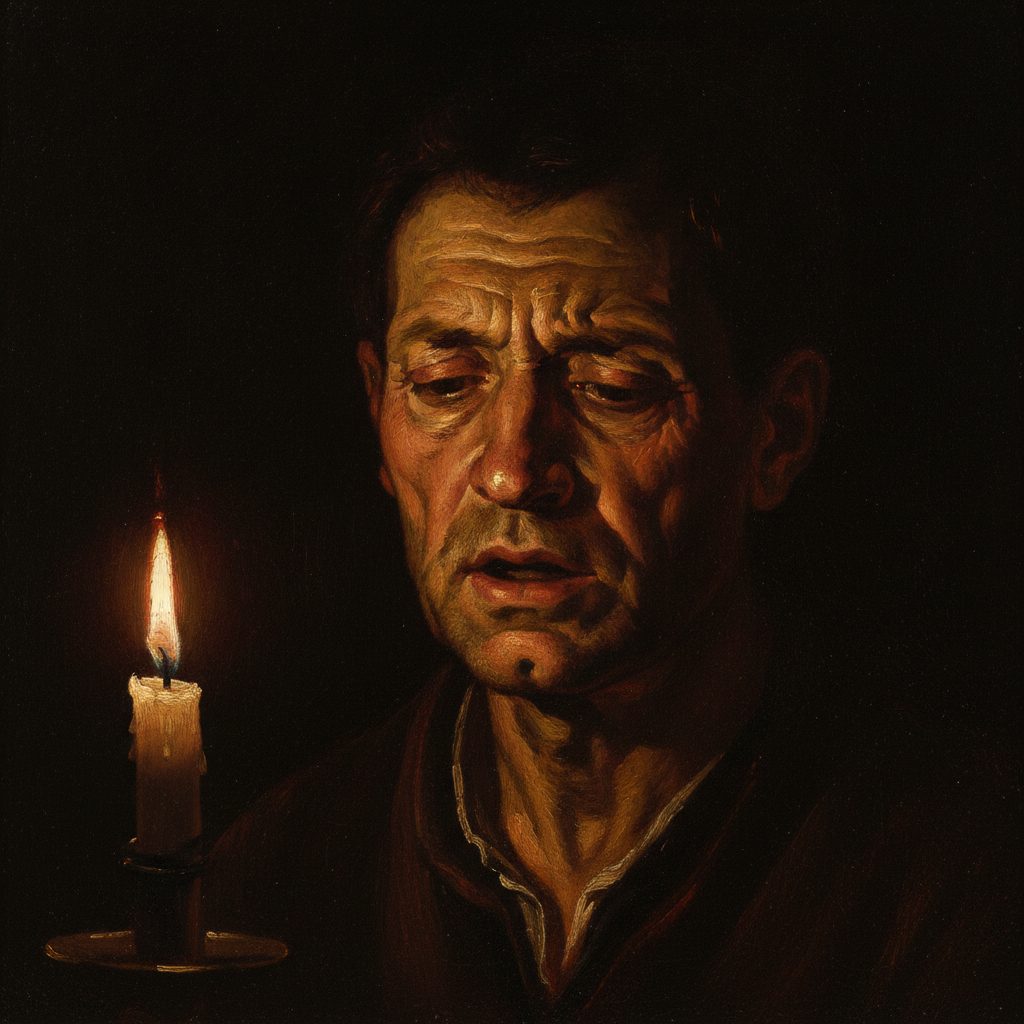
A small, considered series of original paintings in wine, gold and cream. Each is a single, unrepeatable canvas — painted once, sold once, never editioned or reprinted. When a work is acquired, it leaves this wall for good.
Every acquisition includes a signed certificate of authenticity and is shipped insured, worldwide. To reserve a work or arrange a private viewing, write to us below.
We treat the old masters as if they were finished, sealed behind glass. They are not. Every choice they made — where the light falls, what a gesture means, how a composition holds together — is a lesson you can still learn to read. This journal is an invitation to look more slowly, and to see how much the past is still speaking.

A €6m Cézanne, a €3m Renoir and a €20,000 print left a villa near Parma in under three minutes. Five months later they were still in a flat — because stolen art has almost no market.
Read the essay →
Scientists swabbed 24 painted panels in Spain and Portugal for ancient DNA. The 66,700-year-old handprints gave nothing — and Altamira gave back only us.
Read the essay →
One AI calls a Caravaggio 85.7% autograph; another calls a National Gallery Rubens a fake. An Italian senator who catalogued ears in the 1870s explains why they disagree.
Read the essay →
Someone erased an armoured soldier from De Hooch’s sunlit courtyard two centuries ago. In August 2026 the Mauritshuis painted him back – in paint that can be wiped off again.
Read the essay →
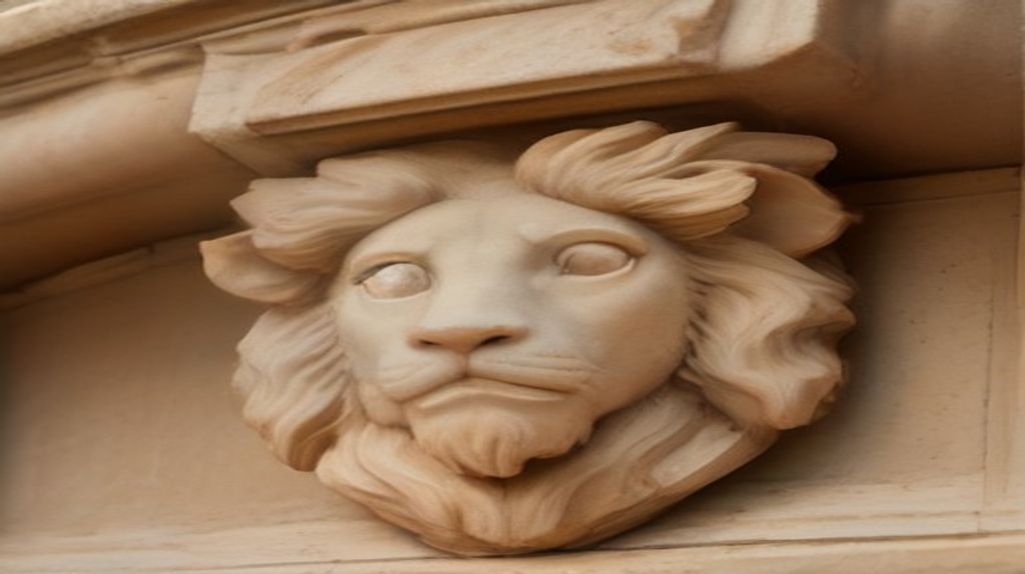
Three hundred stone lions crown Rome’s greatest palace, and no two are alike. After a five-year, €8.5m restoration, conservators think just one was carved by Michelangelo himself.
Read the essay →
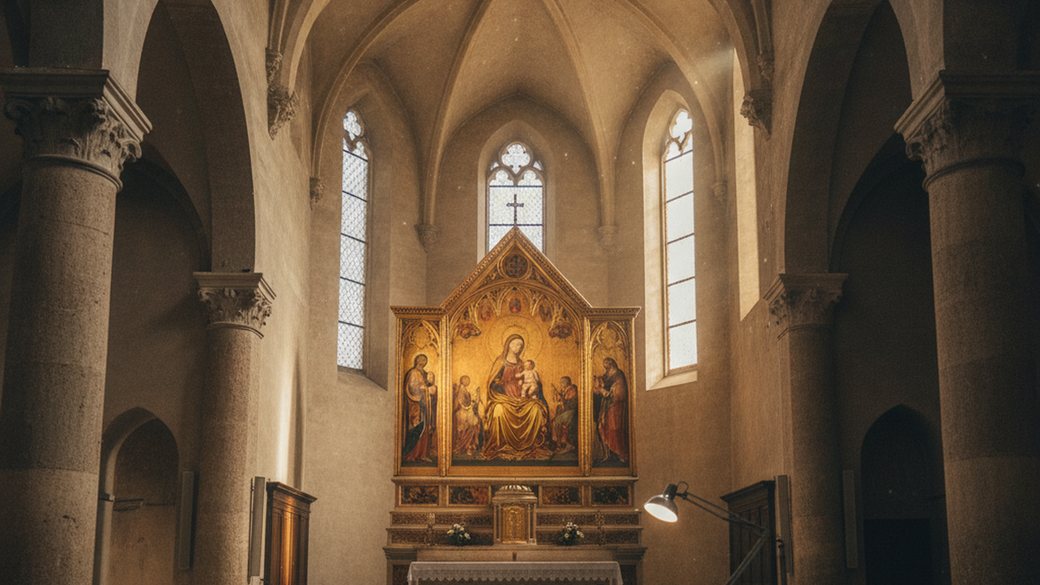
Infrared found the marble throne Fra Angelico painted around 1420, buried under a 1501 repaint. The restorers left it hidden – and sent the panel back to its own church.
Read the essay →
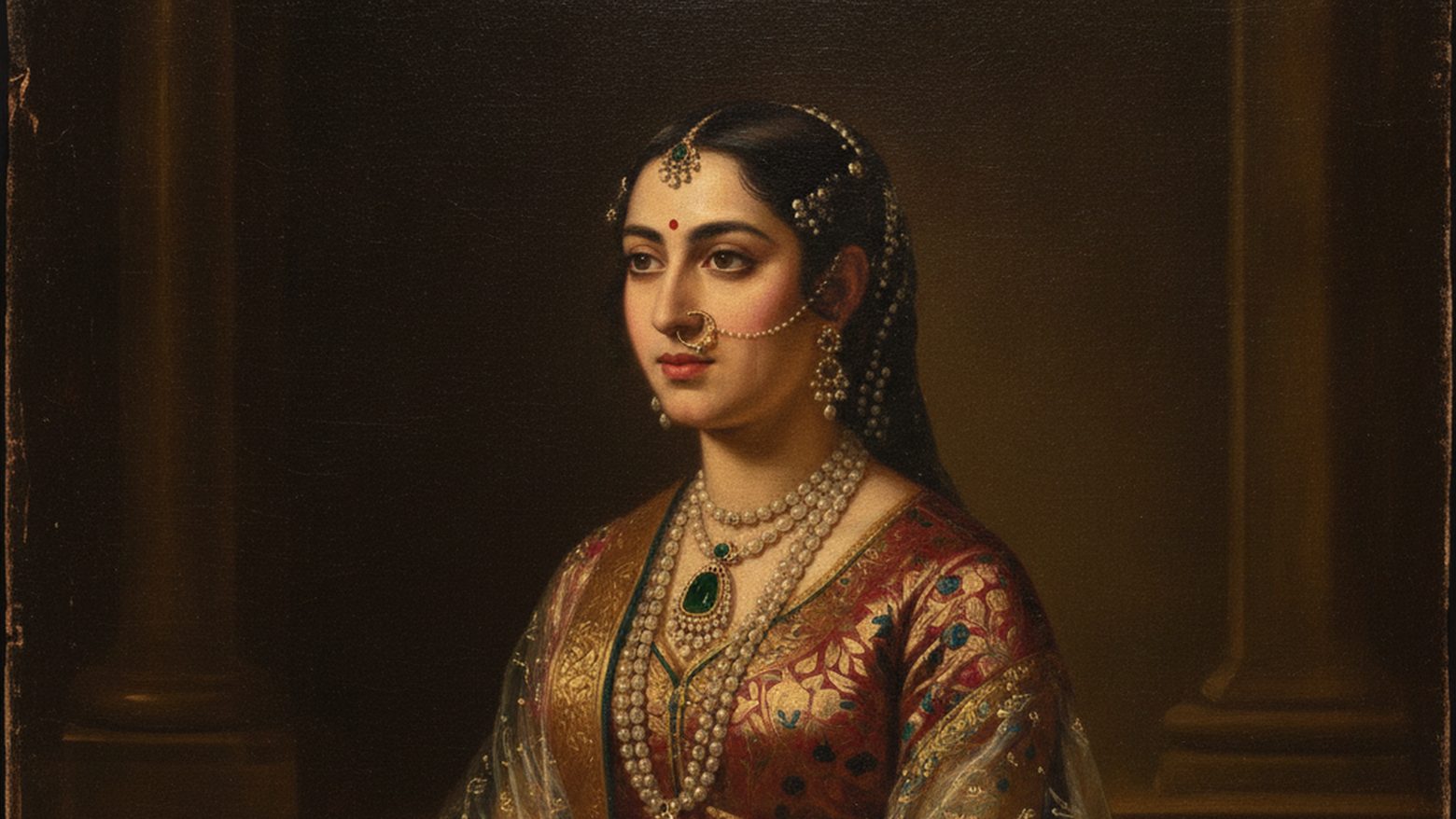
A painting stored in a sleeping bag for two decades is now attributed to a Dundee-born painter - the earliest recorded portrait of an Indian sitter by a European woman artist.
Read the essay →
In 1940 Carrington painted a small canvas inside a Spanish sanatorium, then left it behind. Lost for 80 years, it is finally on show at London's Freud Museum.
Read the essay →
A 22-year-old Fleming arrived in Genoa in 1621 and left as the greatest portraitist in Europe. Inside his Genoese years and the 2026 Palazzo Ducale show.
Read the essay →
A 1960 negative, a phone app and two tourist snapshots traced a Nicolás Francés panel, missing from a Spanish church since 1957, to a museum in Massachusetts.
Read the essay →
For fifty years a full-size study for Constable's The Cornfield hung in a small Texas museum, dismissed as a copy. Then two experts looked closer.
Read the essay →
John Singer Sargent's sister painted for fifty years and never exhibited. In 1998 a forgotten family trunk gave back 440 of her watercolours.
Read the essay →
The earliest signed painting by the Renaissance's first famous woman artist was thought lost for a century — until it turned up on a wall in North Carolina.
Read the essay →
A Detroit museum director hunting one lost painting found another — a young Velázquez portrait of the man who made his career, hidden for nearly four centuries.
Read the essay →
A 41mm amber carving of the Virgin Queen sold as a curio in Edinburgh — then reappeared at Sotheby's at £150,000. The art-market sleeper, explained.
Read the essay →
A Dutch still life of peaches and grapes broke the artist's record at Christie's — by a painter who took years on one canvas and told no one how.
Read the essay →
A 19th-century bronze cast of the ancient Laocoön smashed its estimate at Sotheby's — while a real Rembrandt sold flat the same night. Why a copy won.
Read the essay →
Sold for €1.5M as an anonymous Dutchman, it was a lost early Rembrandt — and restorers found the figure a later hand had tried to erase.
Read the essay →
The record-breaking Klimt portrait — second most expensive painting ever sold — and how it once helped save its subject from the Nazis.
Read the essay →
The only woman in the first Impressionist show — muse, rival and equal to Manet, and the founder the movement almost forgot.
Read the essay →
Three rivals in one generation who redefined what a picture could be — and left a standard the West measured itself against for 400 years.
Read the essay →
Composition, light, colour and symbolism — a practical framework for standing in front of any great painting and actually seeing it.
Read the essay →
Vermilion, cochineal, Caravaggio's darkness and Rothko's maroons — how a single red held against black became the most disciplined effect in art.
Read the essay →
From Leonardo's modelling to Caravaggio's spotlight and Rembrandt's glow — how the control of light became the soul of painting.
Read the essay →
Why the history of ownership can matter as much as the brushwork — and how to buy older art with confidence and clear eyes.
Read the essay →
Three thousand years of the one colour that never tarnishes — gold leaf, Byzantine gold grounds, Klimt's 'Woman in Gold' and the Japanese art of the golden seam.

From Van Eyck's convex mirror to Koons and Kapoor's mirror-polished steel — why the reflective surface that looks back at you has fascinated artists for six centuries.


Whether you collect, study or simply love the old masters — send a note and we will reply personally.